

When a loved one’s health begins to change, families are often faced with difficult questions about safety, medical needs, and the right level of care. Everyday activities may become harder, recovery from illness may take longer, or medical conditions may require closer monitoring than can be provided at home.
In these situations, many families begin searching for answers about skilled nursing care—and who qualifies. While families play an important role in the decision, it’s important to understand that skilled nursing admission is typically determined through a physician referral, based on medical necessity and overall care needs.
What Is Skilled Nursing Care?
Skilled nursing care is a level of healthcare that provides 24-hour medical supervision and clinical support by licensed professionals. It is designed for individuals who need ongoing nursing care, medical monitoring, or rehabilitation services in a structured, supportive environment.
Unlike assisted living, which focuses primarily on daily living support, skilled nursing addresses complex medical needs and conditions that require professional oversight. Care plans are individualized and guided by physician orders, ensuring each patient receives the appropriate level of treatment and support.

How Does Someone Qualify for Skilled Nursing Care?
Qualification for skilled nursing care is not based on a single diagnosis. Instead, physicians and healthcare teams evaluate a person’s overall health status, safety, and functional ability to determine the most appropriate level of care.
A patient may qualify for skilled nursing care when:
- Medical needs require regular monitoring by licensed nursing staff
- Recovery or stabilization cannot be safely managed at home
- Ongoing treatment or rehabilitation services are needed
- Supervision is necessary to ensure health and safety
- A physician determines skilled nursing is medically appropriate
In many cases, skilled nursing is recommended following a hospital stay, illness, or noticeable change in physical or cognitive functioning.
Common Reasons for Skilled Nursing Admission
Skilled nursing care is often recommended for individuals experiencing:
- Recovery after surgery or hospitalization
- Serious illness or infection
- Changes in mobility, strength, or balance
- Chronic medical conditions requiring close oversight
- Declines in cognitive or physical abilities
- The need for short-term rehabilitation or long-term medical support
Rather than focusing on self-diagnosis, skilled nursing admission is based on medical evaluation and physician guidance, ensuring patients receive the right care at the right time.
Services Provided in Skilled Nursing Facilities
Skilled nursing facilities offer a range of healthcare services based on individual care plans and physician orders. These commonly include:
24-Hour Nursing Care
Licensed nurses provide continuous monitoring, care coordination, and medical support as needs evolve.
Rehabilitation and Therapy Services
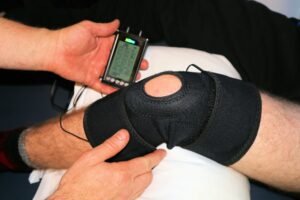
Physical therapy, occupational therapy, and speech therapy may be provided to support recovery, improve mobility, enhance daily functioning, or address communication and swallowing concerns.
Medical Treatment and Medication Support

Medications and treatments are administered and monitored in accordance with physician direction, with close attention to safety and effectiveness.
Personal Care and Daily Assistance
Support with daily activities may be included as part of a comprehensive care plan to promote comfort, dignity, and overall well-being.
Key Factors That Determine Skilled Nursing Eligibility
In summary, skilled nursing care is typically recommended when:
- A physician identifies the need for medical oversight
- Health conditions require ongoing nursing or clinical care
- Rehabilitation or recovery cannot be safely managed at home
- Around-the-clock supervision supports patient safety
- A higher level of care is needed than assisted living can provide
Each individual’s situation is unique, and care plans are adjusted as medical needs change.
Key Takeaways
Skilled nursing care is designed for people who need ongoing medical oversight, nursing care, or rehabilitation services
Eligibility is determined by a physician based on overall health, safety, and functional needs
Common reasons for admission include recovery from surgery, serious illness, chronic conditions, or noticeable declines in mobility or cognition
Services often include 24-hour nursing care, therapy services, medication management, and daily personal care
Skilled nursing provides a higher level of medical care than assisted living
The best way to determine if skilled nursing is appropriate is through a healthcare provider or hospital discharge team
Deciding If Skilled Nursing Is the Right Choice
If you’re considering skilled nursing care for a loved one, the best place to begin is with their healthcare provider or hospital discharge team. These professionals help assess medical needs and determine whether skilled nursing care is the most appropriate option.
At Delmar Gardens, we work closely with physicians, care teams, and families to support smooth transitions and individualized care. If you would like more information about skilled nursing services, care planning, or next steps, our team is available to help guide you through the process.
